
Steam Trap Testing & Maintenance
Ultrasound Unplugged
The New Standard in Steam Trap Maintenance
Steam traps are vital components in steam distribution systems. They separate condensate and non‑condensable gases from live steam, ensuring efficiency and protecting equipment. When traps malfunction — whether leaking or blocked — the consequences include energy losses, safety hazards, and process instability.
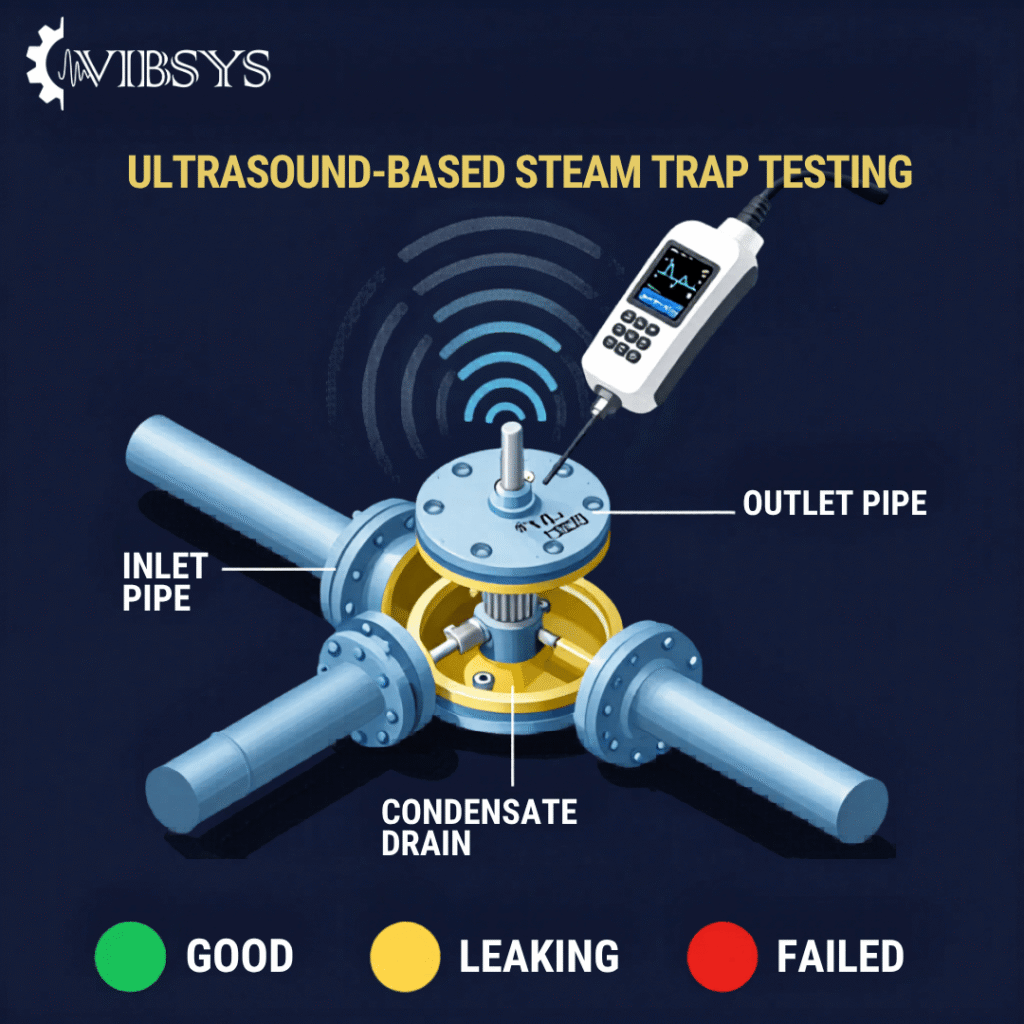
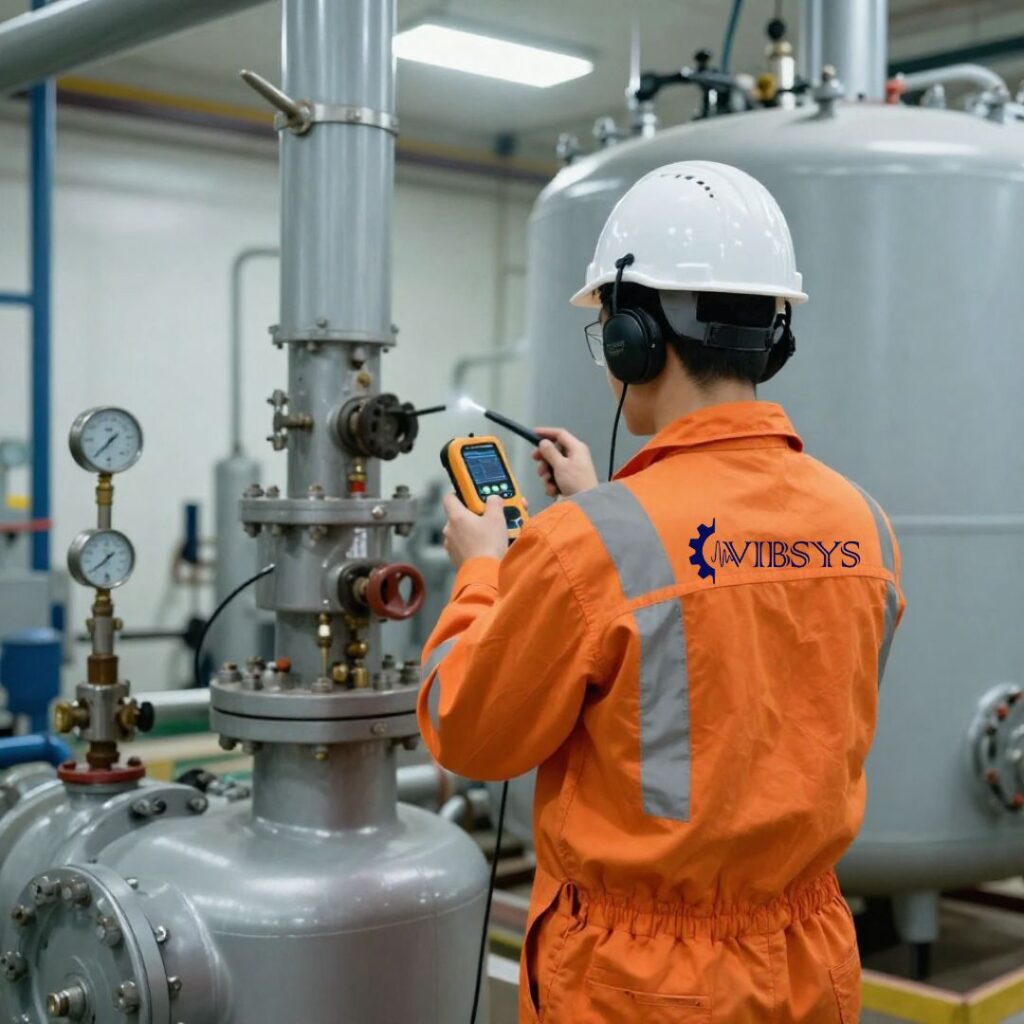
At Vibsys Technical Services, we apply ultrasound technology to steam trap inspection. This modern approach delivers unmatched reliability, accuracy, and cost‑effectiveness compared to conventional techniques such as infrared thermography.
Steam Trap Failure Modes
Steam traps can fail in several ways:
Failed Open: Continuous steam leakage, leading to major energy loss and process upset.
Failed Closed: Condensate backup, causing water hammer, corrosion, and reduced heat transfer.
Leaking/Bypass: Partial leakage that results in cumulative energy loss and instability.
Improper Sizing: Undersized or oversized traps cause erratic drainage and system inefficiency.
Installation/Backpressure Issues: Design or installation errors disrupt drainage, leading to equipment damage.
Advantages of Ultrasound Inspection
Ultrasound inspection detects high‑frequency sound patterns directly linked to trap performance.
Cycling traps: Intermittent bursts indicate proper operation.
Failed open traps: Constant turbulence reveals blowthrough.
Failed closed traps: Flatline signals show condensate backup.
Bypass/leaks: Low, steady hiss indicates partial leakage.
Unlike thermography, ultrasound works through insulation and cladding, requires no shutdown, and provides digital records for trending and compliance.
Challenges with Conventional Methods
Traditional approaches often fall short:
Thermography: Misinterprets surface temperatures, struggles with insulation, and depends on environmental conditions.
Visual/manual checks: Hazardous, subjective, and disruptive.
Temperature gauges or sticks: Fail to distinguish steam from condensate.
Blowdown tests: Risky and interrupt normal operation.
How Ultrasound Overcomes Limitations
Ultrasound inspection “hears” the true function of steam traps, unaffected by ambient conditions. It distinguishes between blowthrough, blockage, and leakage even when external temperatures are identical.
It works safely through insulation, delivers accurate results under all operating conditions, and scales from handheld spot checks to permanent monitoring systems. Most importantly, it detects hidden, early‑stage faults that other methods miss.

Practical Impact
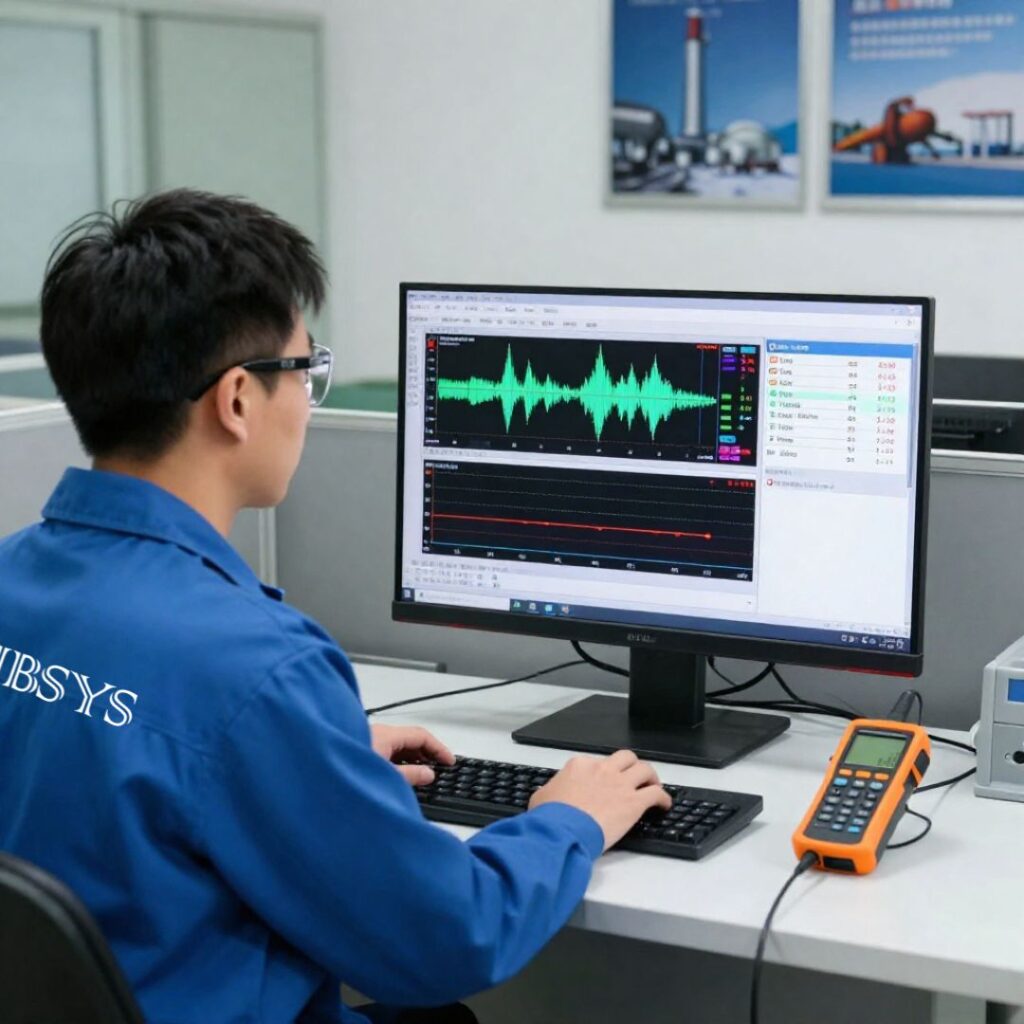
Plants adopting ultrasound inspection often discover that 20–30% of traps are failed or degraded during the first survey. Correcting these issues can save tens of thousands of euros annually in utility costs. In many cases, the investment in ultrasound programs is recovered after a single audit or repair campaign.
Digital inspection records also provide trending data and audit trails, supporting regulatory compliance and energy efficiency initiatives.
Conclusion
Ultrasound technology sets a new standard in steam trap maintenance. By revealing the true operating state of traps — regardless of insulation, environment, or system complexity — Vibsys Technical Services helps clients make faster, safer, and more reliable maintenance decisions. The result is minimized energy waste, improved safety, and protection of both assets and product quality.